Winter Illnesses in Children: What Parents Need to Know and How to Keep Your Family Healthy
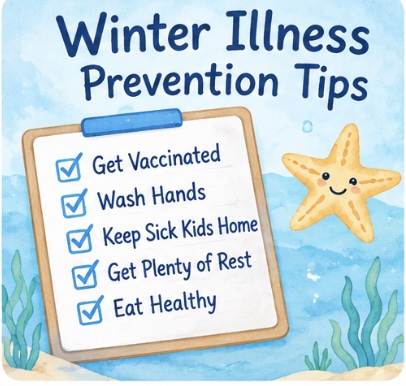
Although it is nearly impossible to prevent every illness, there are many simple steps parents can take to reduce the risk of infection, protect their children, and help keep the entire family healthy throughout the winter season.
At Bay Street Pediatrics, we want parents to feel informed and prepared. Here is what you should know about common winter illnesses, how to recognize their symptoms, and the best ways to help prevent them.
Common Winter Illnesses in Children
1. The Common Cold
Colds are among the most frequent illnesses in children, especially during the winter months. They are caused by viruses and can spread easily through respiratory droplets, contaminated hands, and frequently touched surfaces.
Common symptoms include:
- Runny or stuffy nose
- Sneezing
- Cough
- Sore throat
- Mild fever
- Decreased appetite
Most colds improve within 7–10 days. Treatment generally focuses on rest, fluids, saline nasal spray, and comfort measures. Antibiotics do not treat the viruses that cause common colds.
2. Influenza (The Flu) 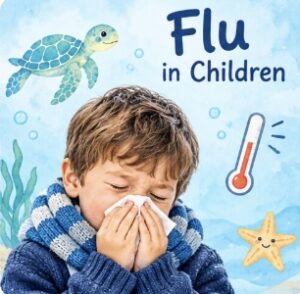
Influenza is a contagious respiratory illness that can cause more significant symptoms than an ordinary cold. Children can become quite sick, and some may develop complications such as pneumonia or dehydration.
Common symptoms include:
- Sudden onset of fever and chills
- Body aches and muscle pain
- Headache
- Significant fatigue
- Cough and sore throat
- Runny nose
- Occasionally vomiting or diarrhea, particularly in children
Antiviral medications may be appropriate for certain children, particularly those at higher risk of complications. These medications work best when started early, contact us if you suspect your child has the flu.
3. RSV (Respiratory Syncytial Virus)
RSV is a common respiratory virus that usually causes cold-like symptoms in older children and adults. However, it can cause more serious respiratory illness in infants and young children.
Symptoms may include:
- Runny nose and congestion
- Cough
- Fever
- Decreased appetite
- Wheezing
- Rapid or difficult breathing
Infants are particularly vulnerable to RSV, which can lead to bronchiolitis or pneumonia. Parents should watch closely for signs of breathing difficulty, poor feeding, or dehydration.
Preventive RSV immunization is available for eligible infants and certain high-risk young children. Ask us whether your child qualifies.
4. COVID-19
COVID-19 continues to circulate and can affect children of all ages. Symptoms may resemble those of the common cold or flu.
Symptoms may include:
- Fever
- Cough
- Sore throat
- Nasal congestion
- Headache
- Fatigue
- Muscle aches
- Occasionally vomiting or diarrhea
Practicing good hygiene, and avoiding close contact with people who are sick can help reduce the risk of infection and severe illness. The American Academy of Pediatrics recommends the COVID19 vaccine for children 6m-23m or those outside that age range who are at high risk.
5. Stomach Viruses (Gastroenteritis)
Winter is also a common time for stomach viruses, including norovirus, to circulate in schools and daycare settings.
Symptoms may include:
- Nausea and vomiting
- Diarrhea
- Abdominal pain or cramping
- Fever
- Decreased appetite
The biggest concern with stomach viruses is dehydration, particularly in infants and young children.
Encourage frequent small amounts of fluids or an oral rehydration solution when needed. Contact us if your child has difficulty keeping fluids down, decreased urination, a dry mouth, or unusual sleepiness.
6. Strep Throat
Strep throat is a bacterial infection that is more common in school-aged children. Unlike most winter respiratory illnesses, strep is treated with antibiotics when confirmed by appropriate testing.
Symptoms may include:
- Sudden sore throat
- Pain with swallowing
- Fever
- Headache
- Swollen lymph nodes
- Red or enlarged tonsils, sometimes with white patches
- Stomach pain or vomiting in children
Children with symptoms concerning for strep throat should be evaluated by our office. A rapid strep test and, when indicated, a throat culture can help determine whether antibiotics are needed.
10 Ways to Help Prevent Winter Illnesses
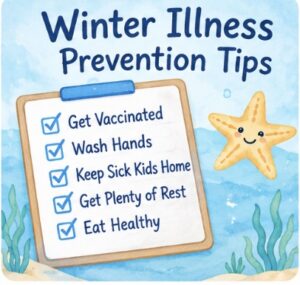
While children will inevitably encounter germs, establishing healthy habits can make a meaningful difference in reducing the spread of infection.
1. Keep Vaccinations Up to Date
Vaccination is one of the most effective ways to protect children against certain serious infectious diseases.
- Make sure your child receives their recommended annual influenza vaccine.
- Discuss current COVID-19 immunization recommendations us.
- Ask whether your infant qualifies for RSV preventive immunization.
- Keep routine childhood immunizations up to date.
Vaccines may not prevent every infection, but they can reduce the risk of severe illness, complications, and hospitalization.
2. Practice Frequent Handwashing
Handwashing is one of the simplest and most effective ways to prevent the spread of germs.
Teach children to wash their hands:
- Before eating or preparing food.
- After using the bathroom.
- After coughing, sneezing, or blowing their nose.
- After playing outside or returning home from school.
- After touching shared toys or surfaces.
Encourage children to wash with soap and water for at least 20 seconds. Hand sanitizer containing at least 60% alcohol can be used when soap and water are unavailable. For stomach viruses such as norovirus, soap and water are particularly important.
3. Teach Children to Cover Their Coughs and Sneezes
Encourage children to cough or sneeze into their elbow rather than their hands. If they use a tissue, it should be thrown away immediately, followed by handwashing.
This small habit can significantly reduce the spread of respiratory germs.
4. Avoid Touching the Face
Germs can enter the body through the eyes, nose, and mouth. Remind children to avoid touching their faces, especially when their hands have not been washed.
5. Clean Frequently Touched Surfaces
Germs can remain on commonly touched objects and surfaces. Regularly clean items such as:
- Doorknobs and light switches
- Countertops and tables
- Cell phones and tablets
- Toys and play surfaces
- Remote controls
Pay particular attention to shared items in busy households.
6. Improve Indoor Air Quality
During winter, families spend more time indoors, where respiratory viruses can spread more easily.
Whenever possible:
- Open windows briefly when weather permits.
- Use a properly sized HEPA air purifier.
- Maintain good ventilation in frequently occupied rooms.
- Encourage outdoor activities when weather allows.
7. Keep Sick Children Home
One of the best ways to prevent illness from spreading through schools and daycare centers is to keep children home when they are sick.
Children should generally stay home when they have a fever or are too ill to participate comfortably in normal activities. For respiratory illnesses, CDC guidance recommends returning to normal activities when symptoms have been improving overall for at least 24 hours and the child has been fever-free for at least 24 hours without fever-reducing medication. Additional precautions are recommended for the following five days.
Always follow your child’s school or daycare illness policy, which may have additional requirements, particularly for vomiting, diarrhea, or specific infections.
8. Encourage Healthy Sleep Habits
Adequate sleep is important for a child’s overall health and immune function.
Establish consistent bedtimes and age-appropriate sleep routines. Children who get enough sleep are better equipped to maintain healthy immune function and recover when they become sick.
9. Offer a Balanced Diet and Plenty of Fluids
A healthy diet supports normal immune function and overall growth and development.
Offer a variety of:
- Fruits and vegetables
- Whole grains
- Lean proteins
- Dairy products or appropriate alternatives
- Water throughout the day
There is no magic food or supplement that prevents winter illnesses. A balanced diet is generally the best foundation for good nutrition.
10. Avoid Close Contact With People Who Are Sick
Encourage children to avoid sharing drinks, utensils, water bottles, and personal items. When family members are sick, try to limit close contact when possible and practice good hand hygiene.
Consider wearing a well-fitting mask in crowded indoor settings when respiratory viruses are circulating heavily, especially around vulnerable family members.
When Should You Call For Advice? 
Most childhood illnesses can be managed at home with rest, fluids, and supportive care. However, there are times when medical evaluation is important.
Contact us if your child has:
- A persistent or worsening fever.
- Fever lasting more than three days.
- Symptoms that are worsening rather than improving.
- Ear pain or significant throat pain.
- Persistent cough or wheezing.
- Vomiting or diarrhea with concerns about dehydration.
- Decreased urination or inability to maintain adequate fluid intake.
- Unusual fatigue or behavior changes.
Important: Any infant younger than 3 months with a rectal temperature of 100.4°F (38°C) or higher needs immediate medical evaluation.
Seek emergency medical attention if your child has:
- Difficulty breathing or rapid, labored breathing.
- Bluish lips or face.
- Severe dehydration.
- Difficulty waking or unusual unresponsiveness.
- A seizure or other signs of a medical emergency.
When in doubt, call your pediatrician. We would much rather help you determine whether your child needs to be seen than have you wait when medical attention is necessary.
At Bay Street Pediatrics in Westport, Connecticut, we are committed to helping families navigate every season with confidence. Whether you have questions about flu prevention, RSV, winter coughs and colds, or your child’s symptoms, our team is here to help.
Stay healthy, stay warm, and enjoy a happy and healthy winter!
If you have concerns about your child’s health, contact Bay Street Pediatrics to discuss whether an appointment is needed. This article is intended for general educational purposes and does not replace individualized medical advice.